

Diabetes is a condition that affects millions of people across the globe. While many have heard of it, there is often confusion about what diabetes actually is and how it impacts the body. Some people associate it only with high sugar levels, but the reality is far more complex.
Understanding diabetes is important because early detection and proper management can significantly reduce the risk of complications. Whether you’re looking to learn for yourself or support a loved one, this guide covers everything you need to know.
What Is Diabetes?
Diabetes is a chronic disease that occurs when the body cannot properly regulate blood glucose, commonly known as blood sugar.
Glucose is the body’s primary source of energy. It comes from the food we eat and is carried through the bloodstream to cells. A hormone called insulin, produced by the pancreas, helps glucose enter the cells where it can be used for energy.
When the body doesn’t produce enough insulin or cannot use insulin effectively, glucose builds up in the bloodstream. This leads to high blood sugar levels, which can damage organs and tissues over time.
Types of Diabetes
Not all diabetes cases are the same. There are several different forms of the condition.
Type 1 Diabetes
Type 1 diabetes is an autoimmune disease. The immune system mistakenly attacks the insulin-producing cells in the pancreas.
As a result, the body produces little or no insulin. People with Type 1 diabetes require insulin therapy throughout their lives.
This form often develops during childhood or adolescence, although adults can also be diagnosed.
Type 2 Diabetes
Type 2 diabetes is the most common type. It develops when the body becomes resistant to insulin or doesn’t produce enough of it.
Several factors can increase the risk, including:
- Obesity
- Physical inactivity
- Family history
- Poor dietary habits
- Increasing age
Unlike Type 1 diabetes, Type 2 diabetes often develops gradually and may go unnoticed for years.
Gestational Diabetes
Gestational diabetes occurs during pregnancy. Hormonal changes can make it harder for the body to use insulin effectively.
Although blood sugar levels often return to normal after childbirth, women who develop gestational diabetes have a higher risk of developing Type 2 diabetes later in life.
Prediabetes
Prediabetes is a condition where blood sugar levels are higher than normal but not high enough for a diabetes diagnosis.
This stage serves as an important warning sign. Lifestyle changes at this point can often prevent or delay the development of Type 2 diabetes.
Common Symptoms of Diabetes
The symptoms of diabetes can vary depending on the type and severity of the condition.
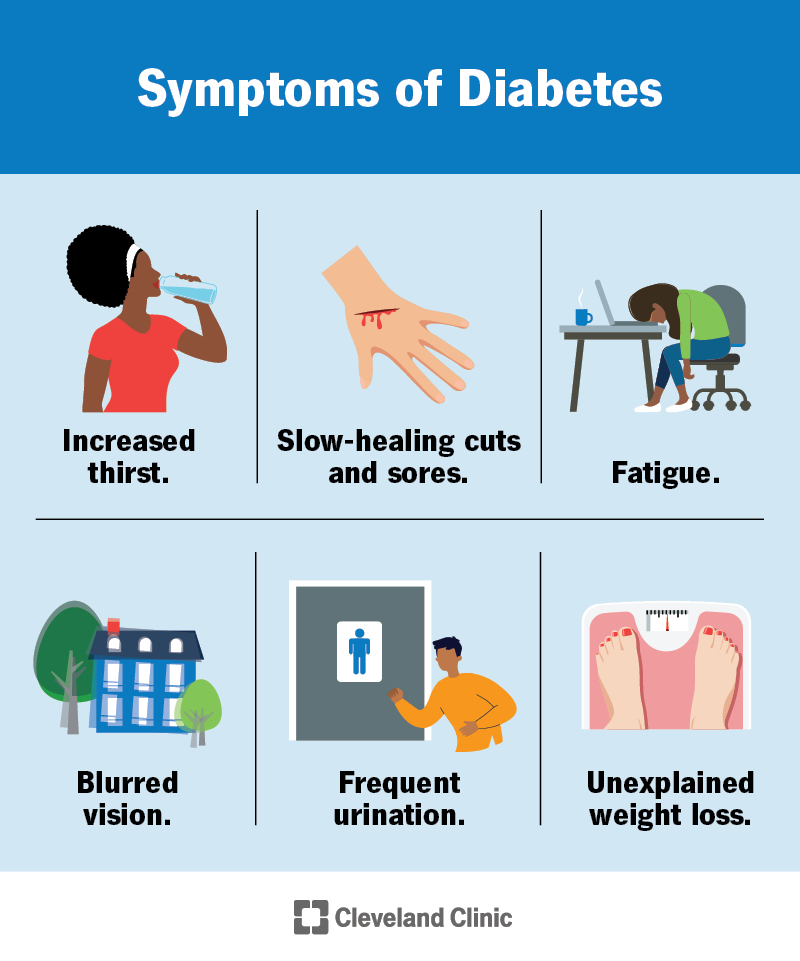
Some of the most common warning signs include:
- Frequent urination
- Excessive thirst
- Increased hunger
- Unexplained weight loss
- Fatigue
- Blurred vision
- Slow-healing wounds
- Frequent infections
- Tingling or numbness in the hands and feet
In some cases, especially with Type 2 diabetes, symptoms may develop slowly and remain unnoticed for years.
What Causes Diabetes?
The causes of diabetes differ depending on the type.
Causes of Type 1 Diabetes
Researchers believe that a combination of genetic factors and environmental triggers may contribute to Type 1 diabetes. The exact cause remains unclear.
Causes of Type 2 Diabetes
Type 2 diabetes is often linked to lifestyle and genetic factors.
Common contributors include:
- Excess body weight
- Lack of physical activity
- Unhealthy eating habits
- Family history
- High blood pressure
- Abnormal cholesterol levels
Causes of Gestational Diabetes
Pregnancy-related hormonal changes can interfere with insulin function, increasing blood sugar levels.
How Is Diabetes Diagnosed?
Doctors use several tests to diagnose diabetes.
Fasting Blood Sugar Test
This test measures blood glucose levels after fasting for several hours.
A1C Test
The A1C test provides an average of blood sugar levels over the previous two to three months.
Oral Glucose Tolerance Test
This test measures how effectively the body processes glucose after consuming a sugary drink.
Regular screening is especially important for individuals with risk factors such as obesity, family history, or previous gestational diabetes.
Treatment and Management
Although diabetes cannot always be cured, it can often be managed successfully.
Healthy Eating
A balanced diet plays a crucial role in blood sugar control.
Many healthcare providers recommend:
- Whole grains
- Vegetables
- Fruits
- Lean proteins
- Healthy fats
Reducing highly processed foods and sugary beverages can help maintain stable glucose levels.
Regular Exercise
Physical activity helps the body use insulin more efficiently.
Activities such as walking, cycling, swimming, and strength training can improve blood sugar control and overall health.
Medication
Some individuals may require medication to manage diabetes.
Treatment options may include:
- Oral diabetes medications
- Insulin injections
- Non-insulin injectable medications
The appropriate treatment depends on the type and severity of diabetes.
Blood Sugar Monitoring
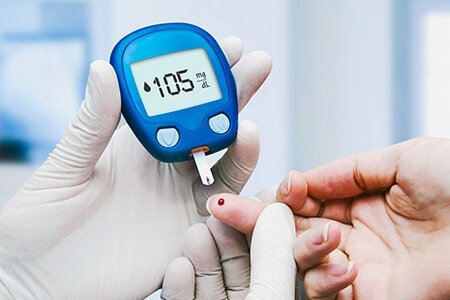
Regular monitoring helps individuals understand how food, exercise, medication, and stress affect blood glucose levels.
This information allows for better day-to-day management.
Potential Complications of Diabetes
When diabetes is not properly controlled, high blood sugar can damage blood vessels and organs.
Possible complications include:
- Heart disease
- Stroke
- Kidney disease
- Nerve damage
- Vision problems
- Foot complications
- Increased risk of infections
The good news is that maintaining healthy blood sugar levels can greatly reduce these risks.
Can Diabetes Be Prevented?
While Type 1 diabetes cannot currently be prevented, many cases of Type 2 diabetes can be delayed or avoided through healthy lifestyle choices.
Maintain a Healthy Weight
Even modest weight loss can improve insulin sensitivity and lower diabetes risk.
Stay Physically Active
Experts generally recommend at least 150 minutes of moderate exercise per week.
Eat a Balanced Diet
Focusing on nutrient-dense foods while limiting excess sugar and refined carbohydrates can support long-term health.
Schedule Regular Checkups
Routine health screenings can identify prediabetes or early diabetes before complications develop.
Living Well With Diabetes
A diabetes diagnosis can feel overwhelming at first. However, many people live long, active, and fulfilling lives with proper management.
Success often comes down to consistent habits rather than perfection. Small daily choices—such as healthier meals, regular exercise, medication adherence, and routine monitoring—can make a significant difference over time.
Education, support from healthcare professionals, and a commitment to self-care can help individuals confidently manage their condition and maintain a high quality of life.
Conclusion
Diabetes is a complex but manageable condition that affects the body’s ability to regulate blood sugar. Whether it’s Type 1, Type 2, gestational diabetes, or prediabetes, understanding the causes, symptoms, and treatment options is essential for maintaining good health.
Early diagnosis, healthy lifestyle habits, regular monitoring, and appropriate medical care can help prevent complications and improve overall well-being. The more informed you are about diabetes, the better equipped you’ll be to protect your health and support others facing the condition.
